
Union Budget 2026: Powering India’s Next Education Leap
Feb 1, 2026
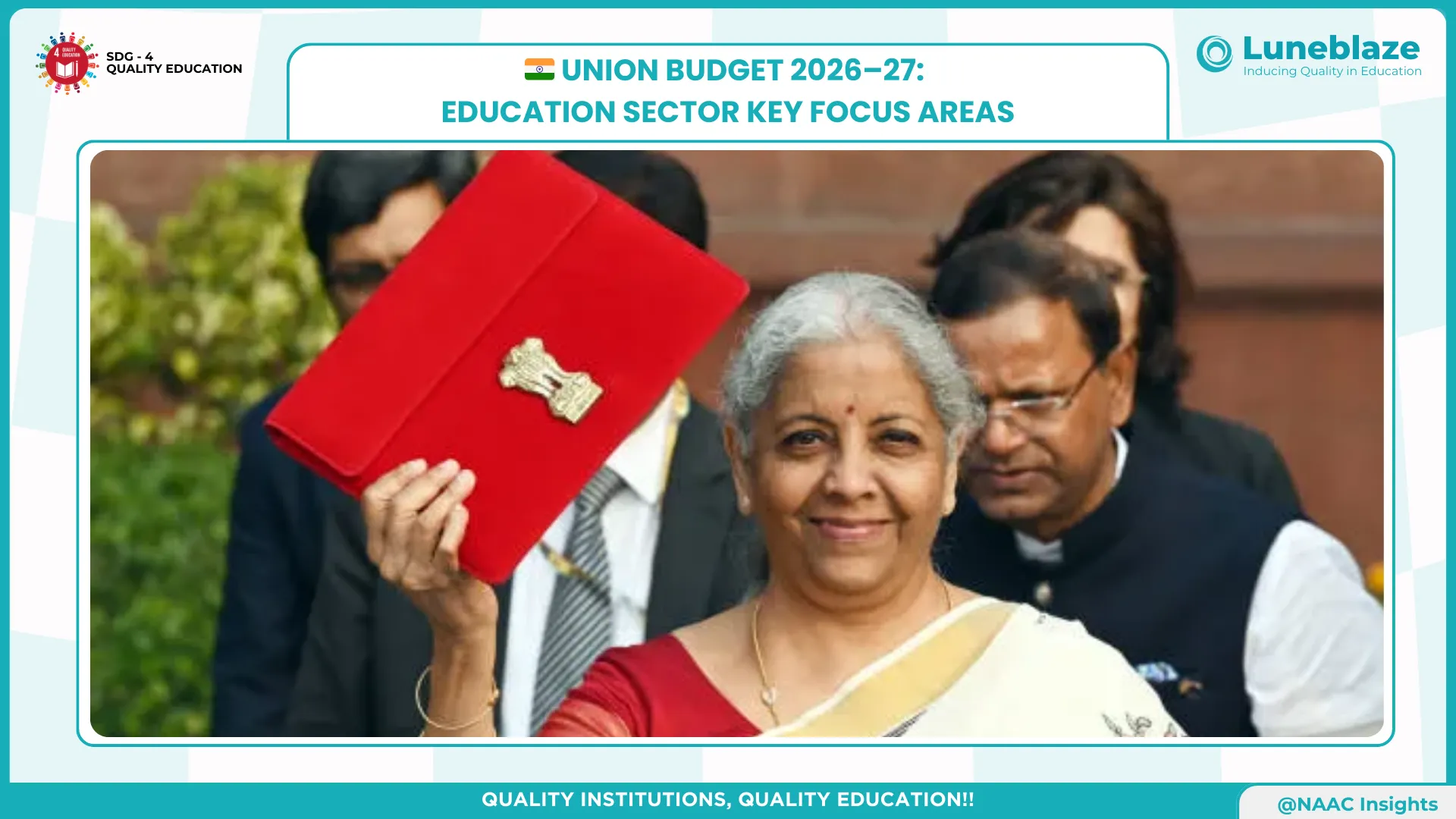
India’s Union Budget 2026–27, presented by Finance Minister Nirmala Sitharaman, sets a confident and future-ready direction for the education ecosystem. With a strong focus on skills, technology, research, equity, and capacity expansion, the Budget reinforces education as a central pillar of India’s long-term growth story.
Building on last year’s allocation of over ₹1.28 lakh crore, this year’s announcements signal a shift from incremental reform to systemic transformation across schools, higher education, and professional institutions.
Some of the key initiatives shaping this vision include:
• A Centre of Excellence in Artificial Intelligence for Education with an outlay of ₹500 crore, aimed at embedding AI into learning, teaching, and research ecosystems
• Five National Centres of Excellence for Skilling, developed with global partners to strengthen curricula, trainer capacity, certification, and quality review mechanisms
• Expansion of IIT infrastructure, especially in institutions established after 2014, along with additional student housing at IIT Patna
• Continued growth in medical education, with 10,000 new seats planned next year as part of the 75,000-seat expansion roadmap
• A renewed commitment to girls’ education, including hostels in every district to improve access, retention, and continuity
• Content creation labs in schools and colleges to nurture digital, creative, and AVGC-aligned skills
• Plans for five university townships along major economic corridors, integrating education, applied research, skills, and industry engagement
Together, these initiatives reflect a clear move towards technology-enabled, outcome-driven education, where employability, research capability, and inclusion are not add-ons but core design principles.
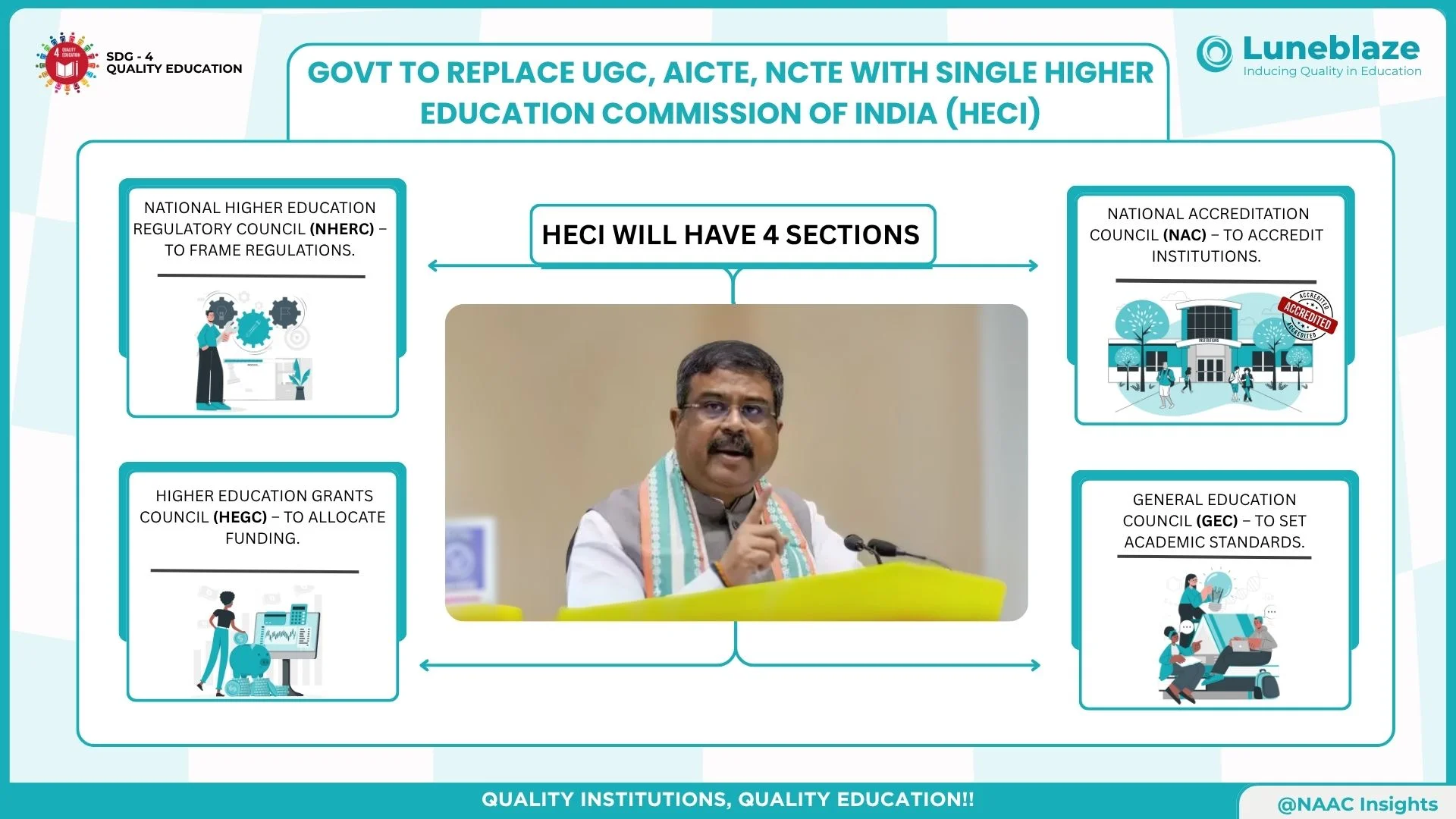
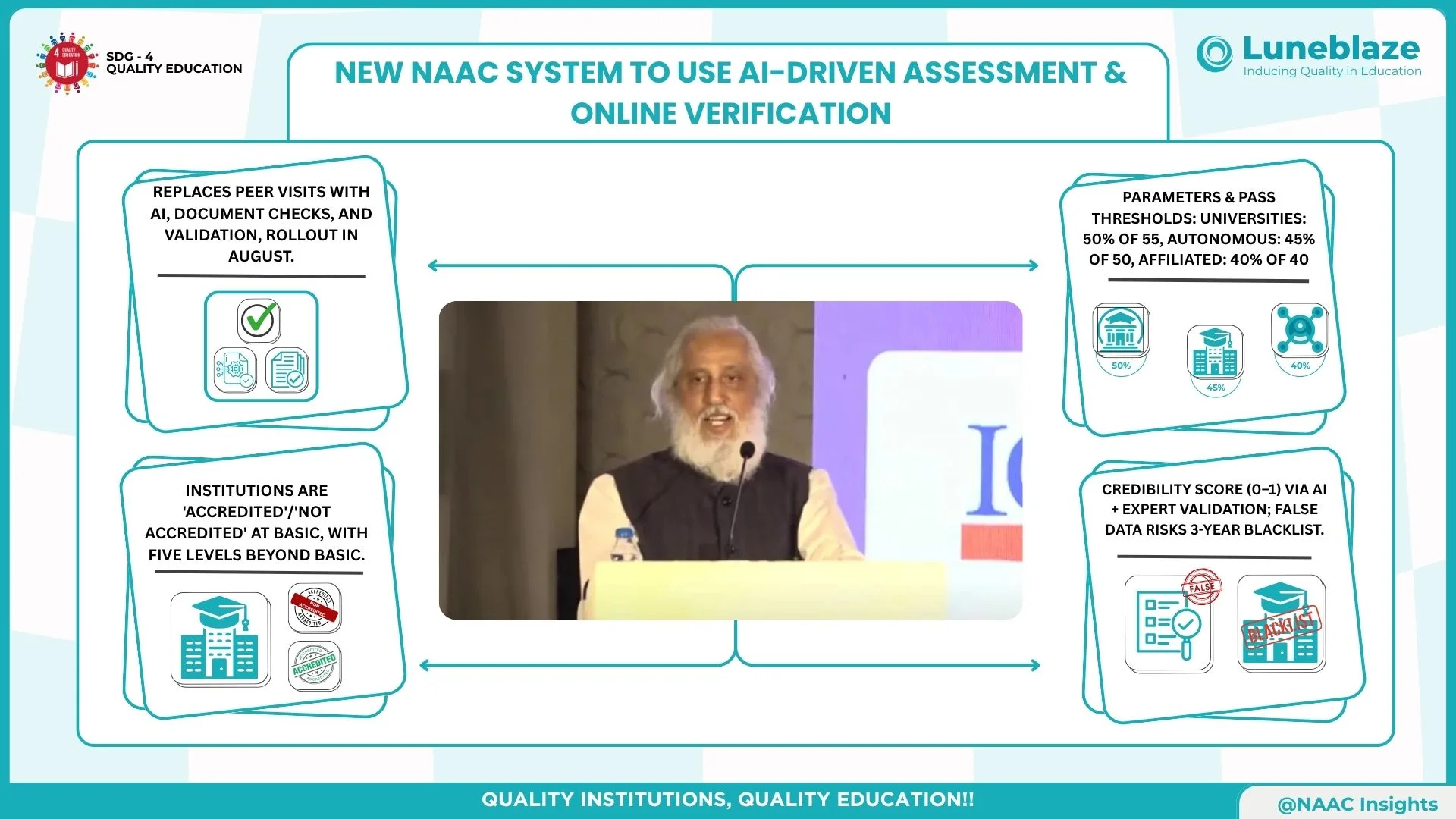
For institutions, this Budget sends a strong signal. The future belongs to those that remain agile, quality-focused, and accreditation-ready. With reforms such as binary accreditation, One Nation One Data, outcome-based regulation, and stronger regulatory oversight gaining momentum, quality assurance can no longer be episodic. It must be continuous, evidence-driven, and aligned with NEP 2020.
This is not just a funding roadmap. It is an invitation for institutions to reimagine learning, strengthen credibility, and prepare confidently for the next phase of India’s education transformation.
Source: indianexpress.com
Latest News


Trusted by
100+
Institutions
worldwide
since 2017
Get started with Accreditation Excellence
Explore how our AI-enabled accreditation solution simplifies the accreditation journey